


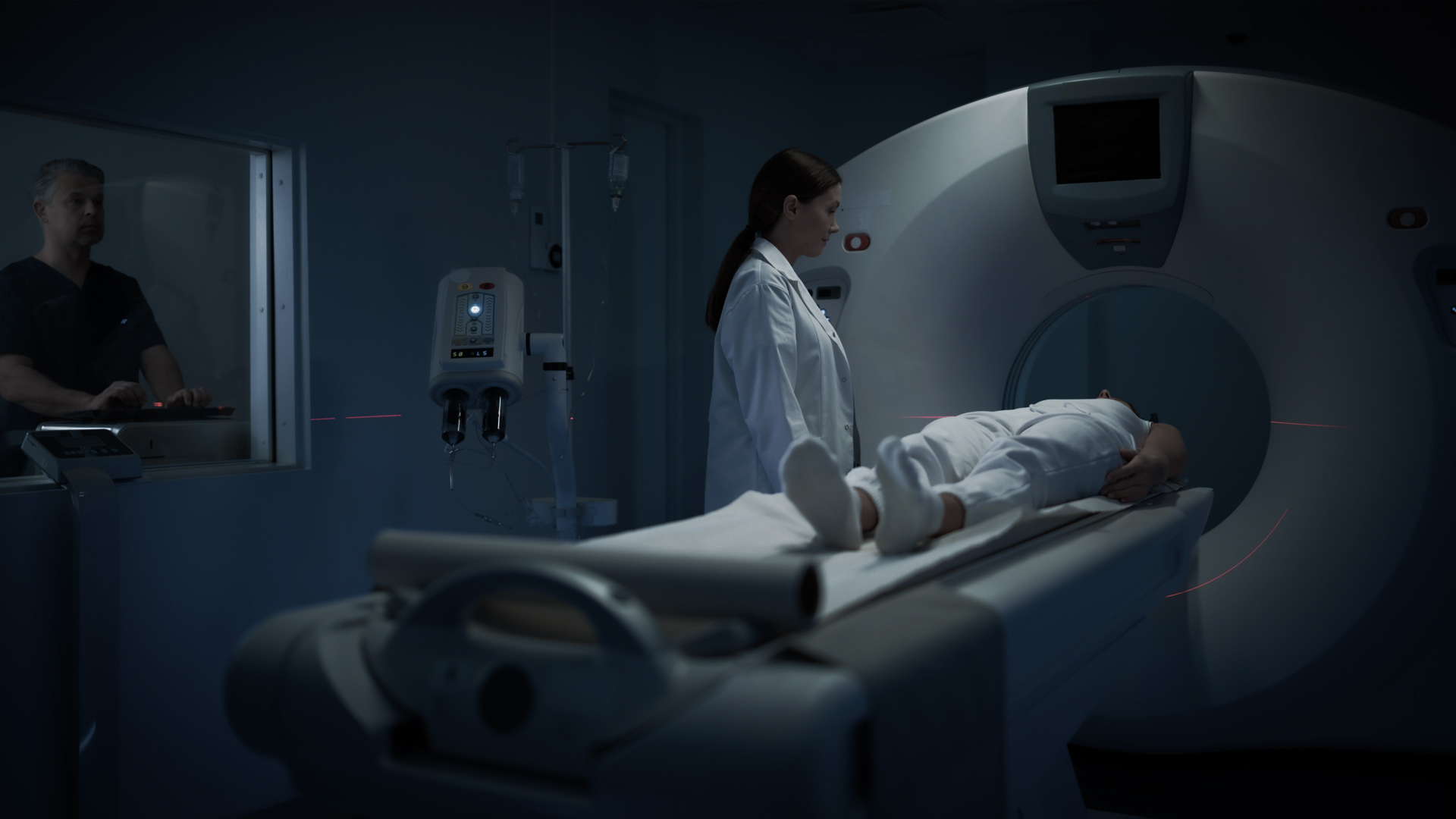



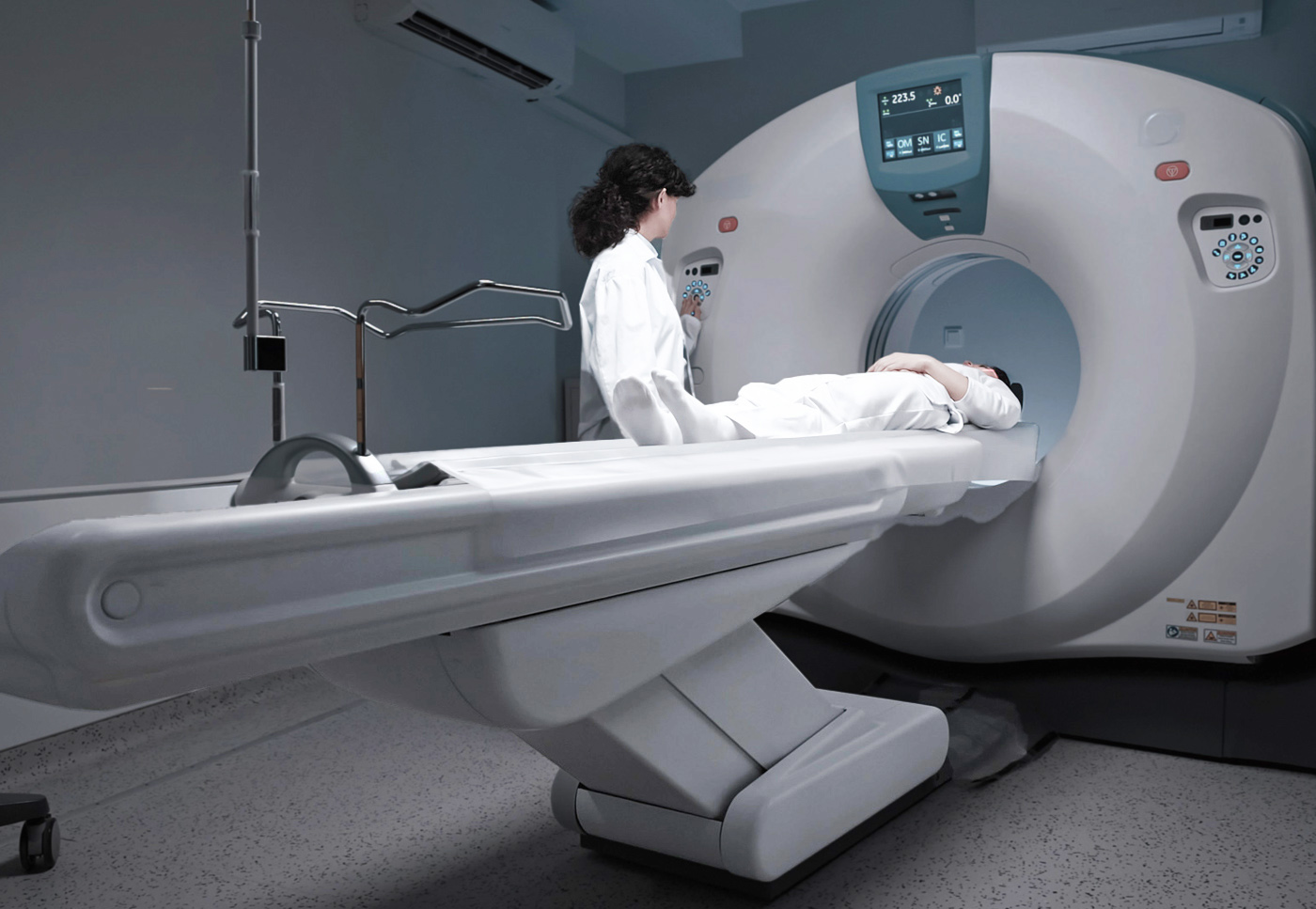

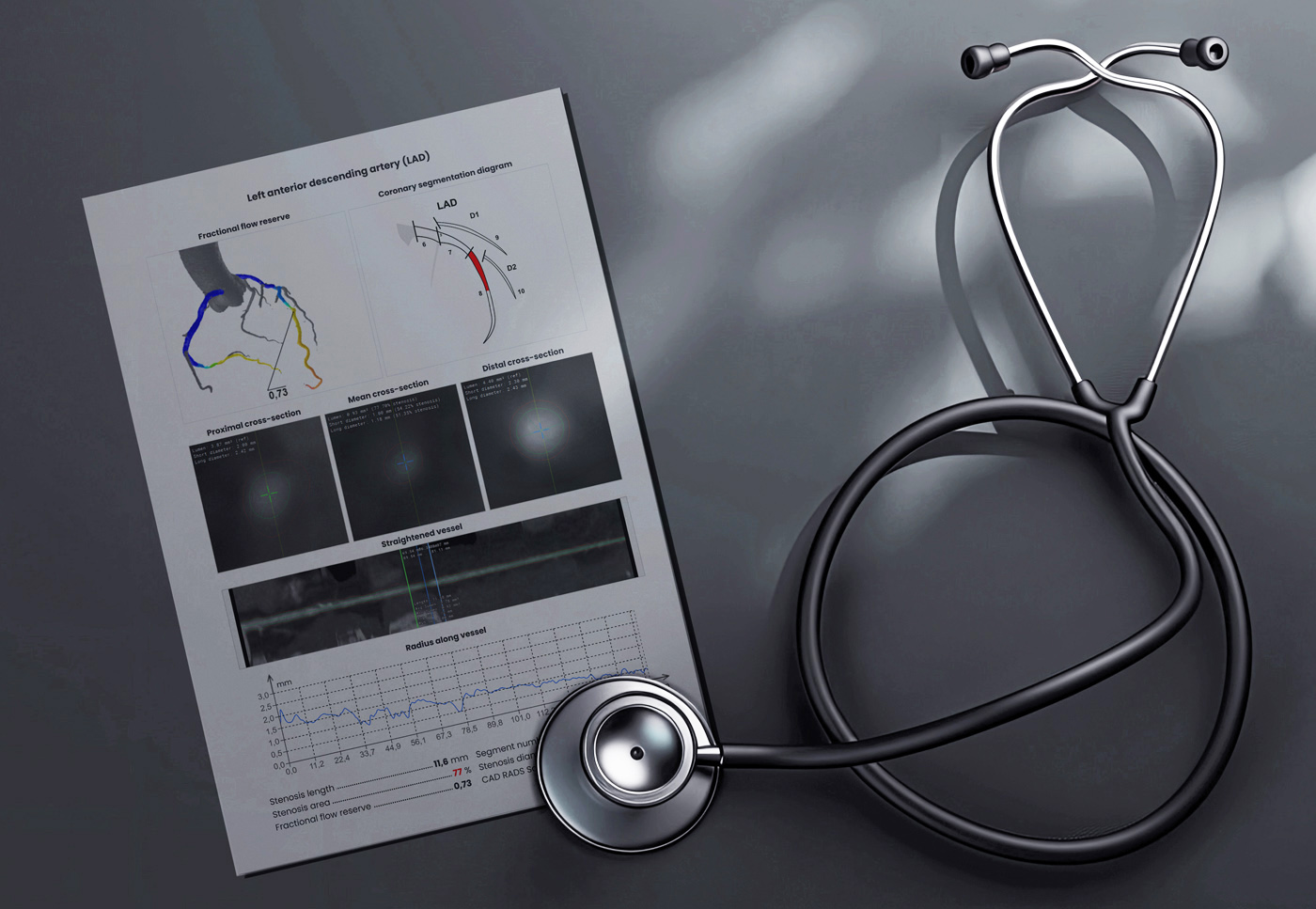
Reduce unnecessary invasive heart procedures Non-invasive AI-powered personalized diagnostic software for Coronary Artery Disease Clinical decision support where it matters most Enable true multifactor personalized assessment of most complex coronary lesions w

CORONARY FLOW - Disruptive AI Diagnostic Software

SEAMLESS WORKFLOW integration

How it works

What We Change
for Cardiologists

Clear functional FFR assessment directly from routine CT

Reliable identification of lesions that truly require intervention

Objective support for difficult treatment decisions

Seamless integration into existing workflow

What We Change
for the Patient

Less unnecessary invasive procedures. More personalized, evidence-based care

Reduced exposure to procedural risks

Earlier and more accurate detection of clinically significant disease

Better follow-up of intermediate stenoses over time

About Us

BIOME Science, founded in 2021, is developing CORONARY FLOW, the next generation AI diagnostic software transforming cardiac imaging using AI and physics, for the non-invasive assessment of coronary flow and stenoses.

BIOME improves clinical decision-making for the treatment of coronary heart disease.

Our Mission

BIOME Science is building the next generation of AI diagnostic software for coronary artery diseases in CCTA imaging, which enables cardiologists to determine whether a lesion truly causes ischemia. As a result, patients are not sent for unnecessary invasive procedures, while it is ensured that the severity of a lesion is sufficiently monitored.

Unique AI

architecture &

Patient-specific

Digital Twin

Applied Lab hemodynamics Clinical patient data Theoretical hemodynamics

why we are different?

What we are working on

The Human & Systemic Problem
200 million people suffer from Coronary artery disease (CAD) worldwide
  • Like cancer, CAD is a multifactor disease that current non-invasive tech fails to assess accurately
  • Diagnostic uncertainty in intermediate lesions drives: → up to 60% of avoidable and sometimes dangerous invasive procedures → unnecessary stenting → procedural complications with increased healthcare costs → Poor and inefficient CAD screening and monitoring
  • False positives lead to overtreatment. False negatives delay critical intervention. Physicians lack a reliable, fast, non-invasive tool for accurate patient CAD detection, decision and monitoring.
Why experts trust us

Biome developed a patented CCTA-driven FFR engine that merges data learning with physics through a unique AI architecture.

By combining computational fluid dynamics, experimental hemodynamic validation, and multi-factor clinical data, this hybrid model achieves around 93% accuracy compared to invasive wire-based FFR, offering physics-grade reliability at AI speed.


Biome's breakthrough lies in its unique AI architecture — trained on three complementary data streams that work in concert:
  • Physics-based CFD simulations that capture the true mechanics of coronary blood flow
  • Experimental hemodynamic data from rigorous in-vitro validation
  • Real clinical imaging and multi-factor patient data that grounds every prediction in clinical reality
CORONARY FLOW AT A GLANCE
  • High negative & positive predictive FFR values
  • Visualizes plaque burden + vessel wall
  • Accurate first-line test in stable chest pain
  • Seamless integration in clinical workflows


Automatic upload at the end of acquisition

Cloud-based or On-Premise FFR-CT

Results pushed back automatically in PACS 

 

min clinical report

% accuracy

research & partnership

Key clinical studies & publications

Glossary

Coronary flow glossary

FFR

FFR* (Fractional flow reserve) is a pressure- based index of the functional significance of epicardial coronary stenoses. It is defined as the ratio of the hyperemic distal pressure to the aortic pressure.

;

Angioplasty

Angioplasty* is a procedure used to open blocked coronary arteries caused by coronary artery disease. It restores blood flow to the heart muscle without open-heart surgery.

BMI

BMI* (Body Mass Index) - is a numerical value of your weight in relation to your height.

Stenosis grey zone

The FFR grey zone* refers to intermediate coronary lesions being arterial narrowing of moderate severity—typically 40–69% stenosis with FFR values ranging approximately from 0.7 to 0.85.

;

CCTA

The CT Coronary Angiography (CCTA)* is a medical imaging modality that uses X-rays to visualize the coronary arteries in search of narrowing and/or calcifications.

;

ICA

Invasive Coronary Angiography (ICA)* has long been regarded as the gold standard for diagnosing and assessing coronary artery disease in patients with stable angina.

Comorbidities

Comorbidities* refer to medical conditions that exist alongside a primary diagnosis and can impact your overall health, treatment, and prognosis.