

CMD
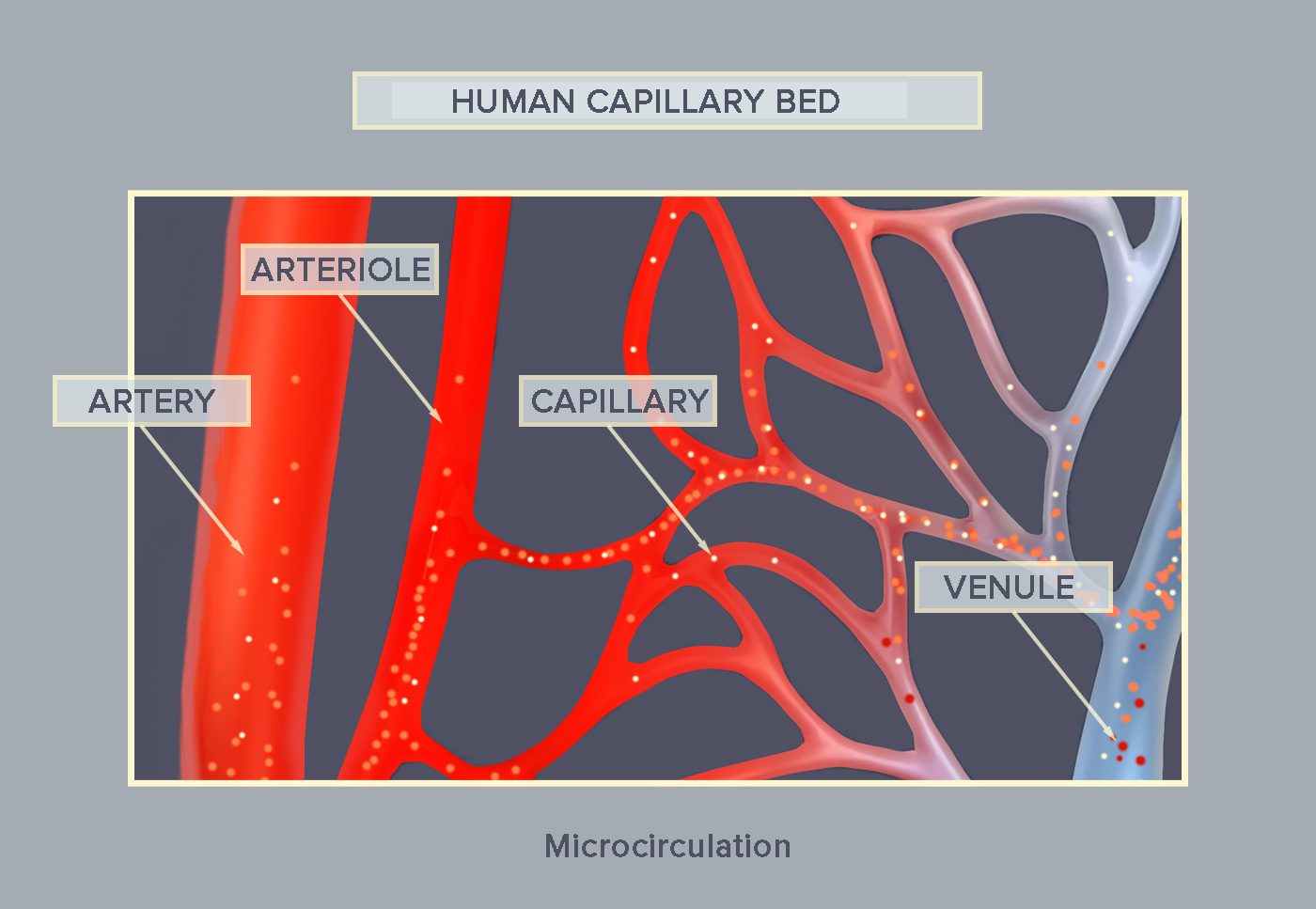
Coronary Microvascular Dysfunction (CMD)* is defined as impaired blood flow to the microcirculation.
Coronary Microvascular Dysfunction (CMD) is characterized by impaired blood flow to the microcirculation. Establishing a clear diagnosis and implementing an optimized treatment plan can enhance outcomes for patients who are at a high risk of experiencing major adverse cardiac events (MACE).
Understanding Coronary Artery Disease and Microcirculation
Coronary artery disease is often defined by a single stenosis exceeding 50% in epicardial arteries, but this misses the complexities of microcirculation. The reliance on this definition affects risk stratification and clinical practices. State-of-the-art scientific papers emphasize the need to understand coronary circulation’s adaptability and the factors influencing myocardial blood flow, suggesting a simplified framework for clinical decision-making.
Microvascular Dysfunction and Chest Pain
Microvascular dysfunction is a key cause of chest pain in patients, including those with obstructive coronary artery disease and those without coronary stenosis. Advanced imaging techniques like positron emission tomography are crucial for diagnosing microvascular abnormalities, while cardiovascular magnetic resonance and cardiac computed tomography show promise. Identifying microvascular disease is essential for managing patients with chest pain but no epicardial disease, impacting prognosis and treatment strategies.